Exhortations to Excellence
Under the force of noble joys the pain dies and its malignancy is suppressed. -Pindar

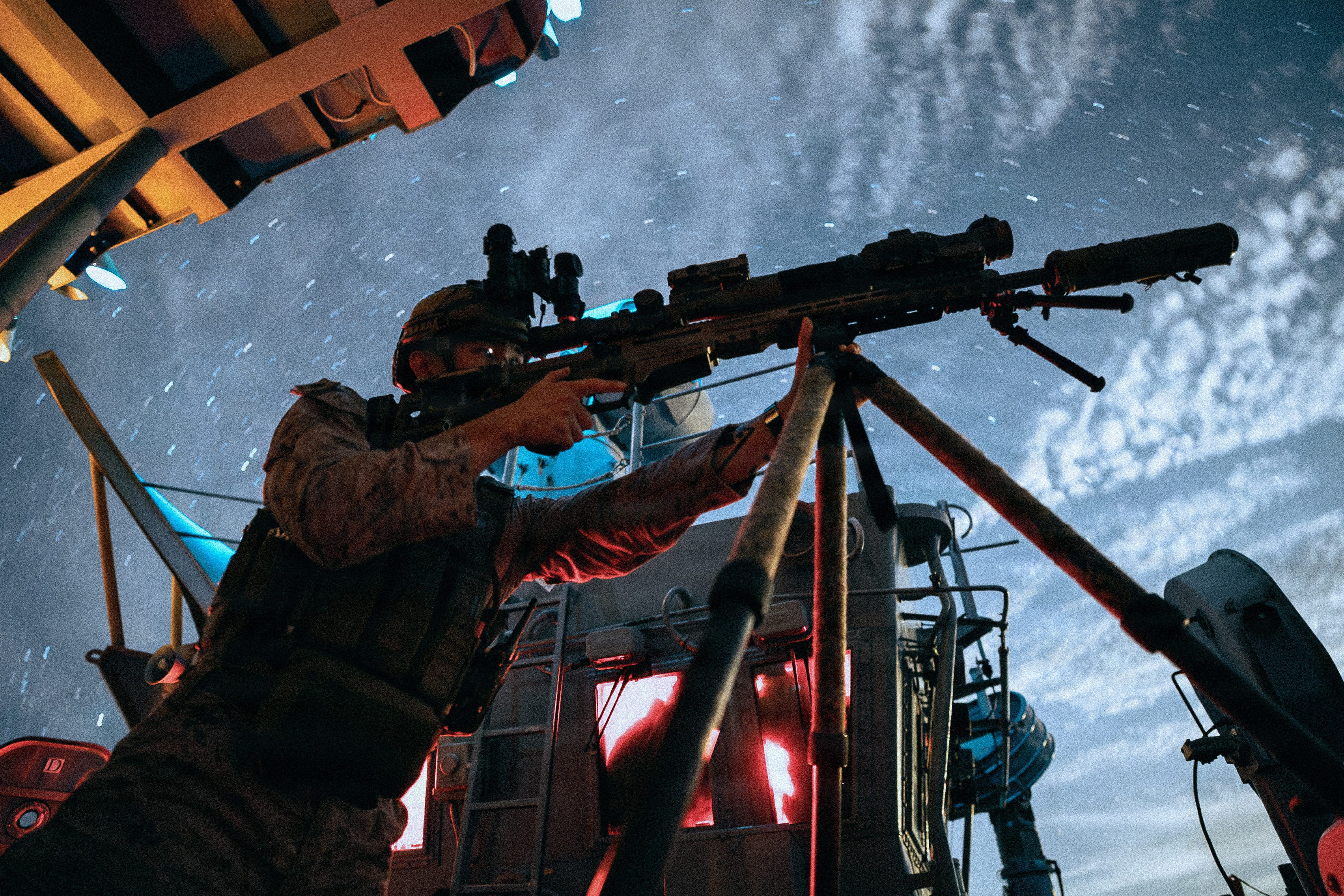
In 2007 I was finishing up the Marine Corps’ School of Infantry, my last stop before joining an infantry unit in the operational forces, or “the fleet” as we called it. I was the “guide” for my platoon which meant that I was the trainee responsible for overseeing some of the more mundane duties necessary for the functioning of a training platoon.
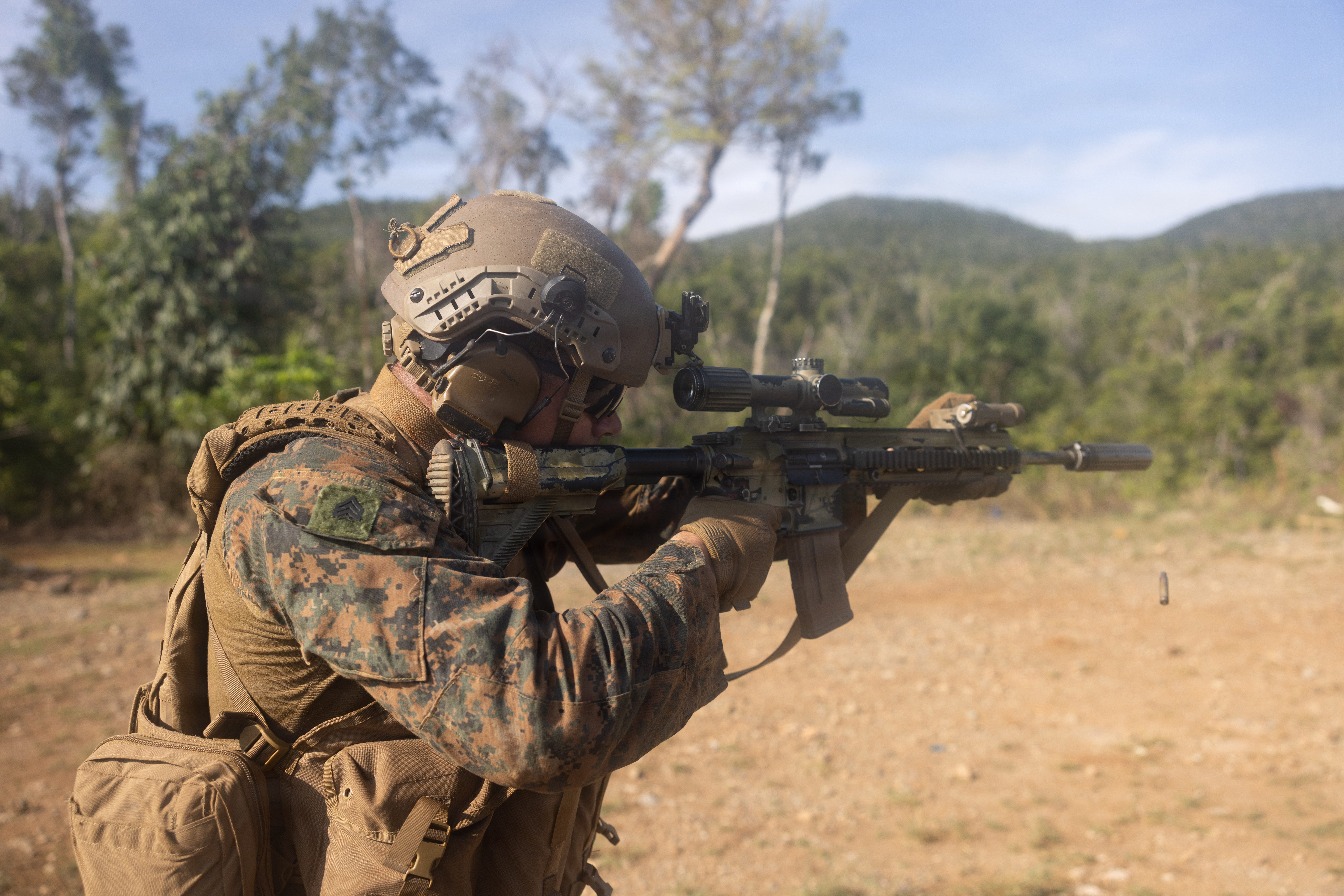
That particular morning we were hustling out of the training barracks and onto the “grinder” where we staged our gear in preparation for a 20km hump through the mountains of Camp Pendleton. Most of us were carrying over 100lbs including our packs, body armor, and weapon systems, but depending on the specific job (rifleman, machine-gunner, mortar-man) some were carrying much more.
Early mornings in Southern California’s coastal mountains are beautiful and fragrant with chapparal, and we saw many—probably all of them—during our time in training to become infantrymen. But that morning, overpowering the fresh salt and chapparal in the air was a sense of dread and fear. We all knew that the next several hours would be physically miserable. The packs would chafe on shoulders and hips and the body armor would leave raw and bloody patches where they rubbed our sides.
And our feet. We all knew by that point how feet could look like a packet of ground beef when pulled from the boot at the end of a long and heavy movement.
Because I was the guide, I was responsible for getting all the Marines in place with their gear, and as I did so I kept running into the mopey and sluggish aspects of men who dreaded what was coming next and had adopted a posture of sullen resignation. Dreading the pain of the coming hump myself, but grating under what seemed to me a prevalent unmanly attitude, I gave the platoon a quick pep talk in which I simply explained the fundamental binary under which men of arms always labor: we will suffer what comes next no matter what. The only choice is whether to suffer in the spiritual equivalent of the fetal position, or with the hardy defiance appropriate to United States Marines.
Many times since then I myself have been beaten into a posture of sullen resignation. But I thought then, as I think now, that it’s better to let reality give you the beating than to volunteer to do it to yourself.
I remembered this anecdote recently when I came across this passage in one of Pindar’s odes celebrating the Olympian Hieron of Syracuse. (trans. William H. Race)
Great risk
does not take hold of a cowardly man.
But since men must die, why would anyone sit
in darkness and coddle a nameless old age to no use,
deprived of all noble deeds? No!
that contest shall be mine
to undertake.
The classics are full of this kind of exhortation. You can hardly crack the spine of a Loeb without encountering some call to arms, to excellence, to glory, to love.
“Vivamus, mea Lesbia, atque amemus.” — “let us live, my Lesbia, and let us love.”
That subjunctive voice signified by the telltale “amus” and “emus” ending issues the exhortation. It says: this is the way to live. This is the way to glory. Let us do praiseworthy things together.
And this is why we should protect the classics and do our best to transmit the love of them and the languages in which they were written to our children. The classics give us a great and enduring language for the human will to excellence and glory. They are languages increasingly out of tune with our ironic age, but then, so too is the excellence of character and beauty of life that they exhort.
Those Marines, more than most, speak a language which Pindar spoke. Closer to the hard consequences of reality than many, they enjoy the privilege of crafting glorious defiance to pain and to risk. My hope is we can give them, and everyone whose soul is capable of resonating with the exhortation to greatness, the opportunity to hear that call.
“Under the force of noble joys the pain dies / and its malignancy is suppressed.” - Pindar