

Indoorsmanship vs. Capability and Pleasure in the Outdoors

I’ve had mild frostbite twice.
The first time was in high school when my class’s reenactment of Xenophon’s anabasis in the middle of winter wearing only togas and sandals turned a little too realistic. Xenophon and his buddies ended up stranded in hostile Persian territory and made a grueling march through snow-filled mountains to the Black Sea.
We did not encounter any Persians on our trek through a small section of the Poconos, but the snow did its job anyway. Our school mates ambushed us with snow balls near the end of the hike (as the Greeks were ambushed) but the snowball fight was fairly mirthless given the despairing realization many of us had about the sorry state of our feet.
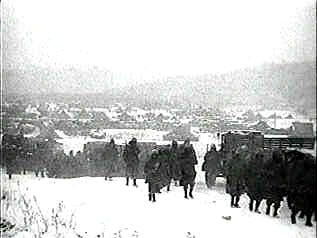
The second time was when I was guarding an ammunition supply point in South Korea with the Marine Corps. I’ve never experienced anything close to what my brother Marines did in the Battle of the Chosin Reservoir, but this second brush with frostbite gave me a renewed respect for those Marines. They battled the Chinese Communists for days in brutal weather, sometimes -54 Fahrenheit, were outnumbered ten to one, and executed an horrific but controlled withdrawal. It was during this battle that the famous Chesty Puller quipped: “All right, they’re on our left, they’re on our right, they’re in front of us, they’re behind us…they can’t get away this time.”

“All right, they’re on our left, they’re on our right, they’re in front of us, they’re behind us…they can’t get away this time.”
Neither experience of frost bite was much fun, but at least the second had the dignity of duty rather than just raw teenage machismo. Not that I object to raw teenage machismo. I learned some important lessons from it.
Sometimes Michigan winter makes it feel like our only options are frostbite or huddling inside in a kind of tech-enabled hibernation. Those of us with kids are especially tempted to surrender hope of healthy outdoor recreation to the sub-zero temperatures and buckets of snow. Think of all the cold weather gear, how long it takes to bundle up (especially toddlers), not to mention that the roads can be dicey.
But despite all the gear, the roads, and even the lingering effects of frostbite, I still think Michigan’s winters are best experienced by getting out there. My reasons fall into two chief categories. The first is utility. The second is pleasure.
Regarding utility, consider that when we brave the elements they begin to teach us valuable lessons about how to handle them well. True, nature can be an unforgiving teacher, but it always tells the truth and rewards those who have learned its lessons. The first time I developed frostbite, for example, I learned that will alone was not sufficient to endure the elements and emerge unscathed. I also learned that a trek through the snow is better in boots than in sandals.
We increase our functionality in winter weather the same way we increase our fitness: by pushing against our limitations and gradually adapting to greater and greater capacity. We learn which gear works and which doesn’t; how cold is too cold; how long is too long; and how to be comfortable and capable despite the elements. No amount of study can teach this knowledge. These are lessons only imparted by experience.
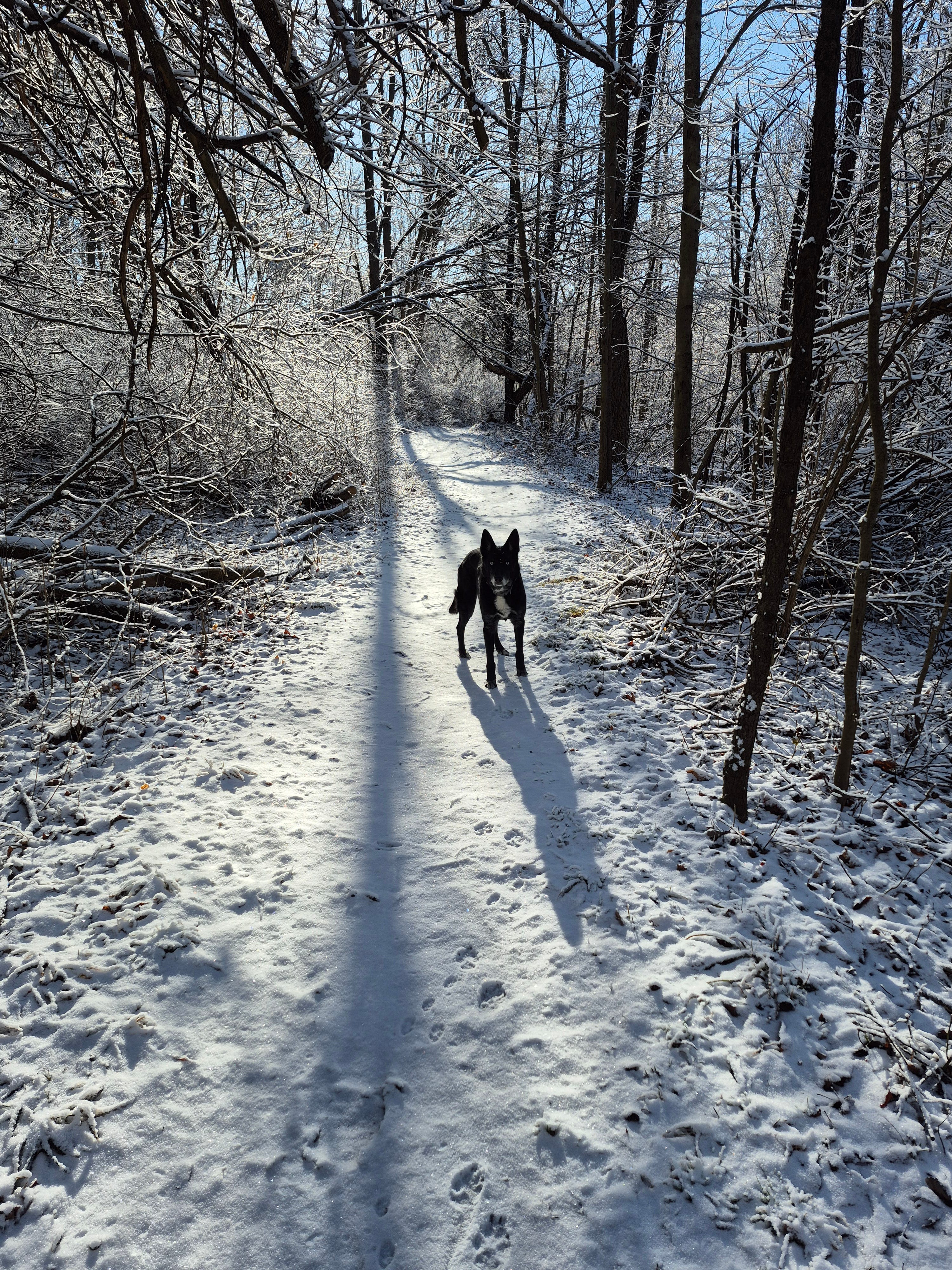
But here’s the catch: as we become more capable in the outdoors, nature begins to reward us with greater and greater of its pleasures. The hunter in the tree stand knows the quiet of sunrise and sunset in a way the indoorsman can only guess at. Same with the cross country skier observing the perfect crust of snow or the riot of paw prints in the underbrush.
Have you ever noticed the enjoyment and warmth of seeing a familiar face in a crowd? Learning to identify the trees and animals around you creates the same kind of enjoyment whenever you’re outside. If you already know the summer leaves of Michigan’s trees, the winter invites you to learn them by their bark. The oak, the maple, the locust, the cherry, the walnut, the sycamore, the beech—all different, begin to reveal themselves when we spend a little time in the snow just noticing them. This is its own kind of pleasure: to see our home state with its high-contrast light, not through a window or from the road, but where the snow, the light, and the sharp air all have things to say.
I admit that you might miss the latest headline or notification on your phone while you’re becoming more capable outdoors and enjoying those distinctive pleasures unavailable except through direct experience. In my view, those terms are acceptable. And if you do go out—I recommend boots
.
"There's no bad weather, just bad gear." A friend who grew up in Alaska told me this.